

Maximizing Impact: Digital Marketing Strategies for 2025
October 28, 2025
How to List Your Business on Google Effectively
November 25, 2025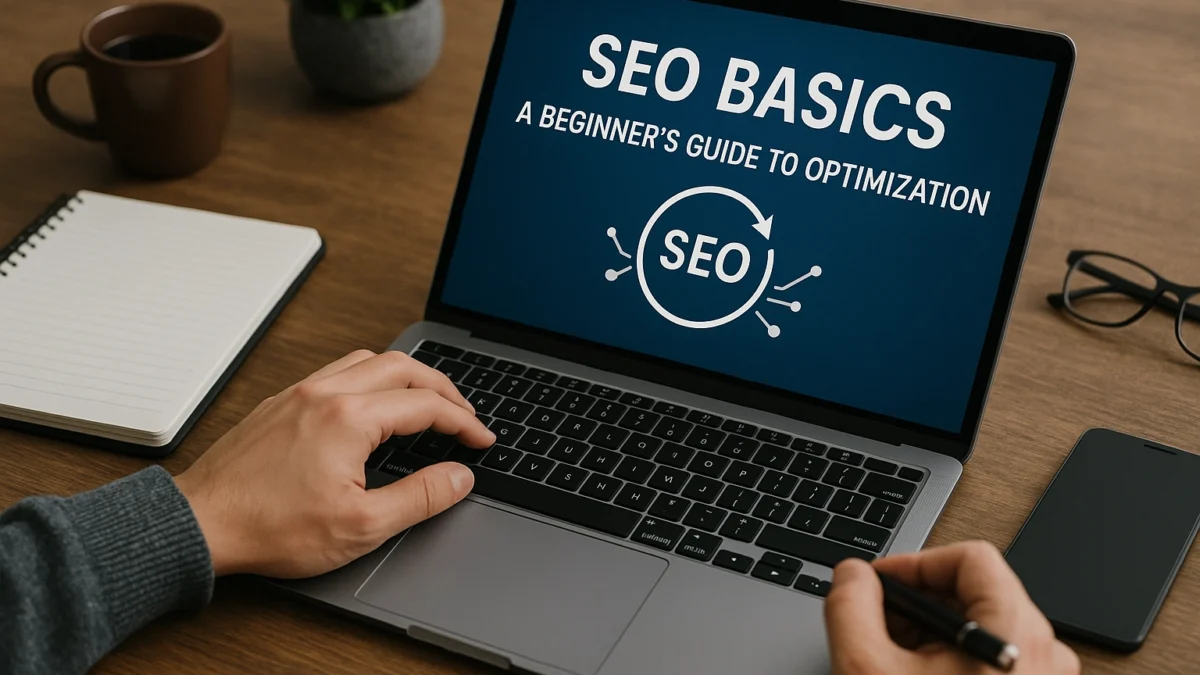
Your website can be well designed and full of value, yet still remain invisible to the people who need it most. That is where SEO comes in. If you have ever wondered, what is a search engine optimization, or why it matters for a small business, portfolio, or blog, you are in the right place. This beginner friendly tutorial will explain the essentials in clear, practical steps.
By the end, you will understand how search engines find and rank pages, how to choose the right keywords, and how to optimize your pages so they are easy for both users and search engines to read. We will cover core on page elements like titles, meta descriptions, headings, and internal links. You will learn the basics of technical SEO, including site speed and mobile friendliness, along with a simple approach to creating useful content that earns trust. We will also show you how to measure results with free tools and how to avoid common mistakes. Follow along, apply each step, and build a solid foundation for long term visibility.
Understanding Search Engine Optimization
What SEO is and its purpose
Search engine optimization is the practice of improving a website so it ranks higher in unpaid search results and attracts qualified visitors. At a beginner level, think of SEO as aligning your content, site structure, and technical setup with how search engines discover, understand, and trust pages. It blends keyword research, on-page improvements like titles, headings, and internal links, technical fixes that speed up pages and ensure clean code, and off-page authority building through reputable backlinks. A practical view of what is a search engine optimization is this, it is an ongoing system that earns visibility rather than renting it with ads. For example, a Saint Petersburg restaurant that optimizes a “best seafood near me” page, adds local schema, and secures mentions from neighborhood blogs can lift rankings and foot traffic. For foundational definitions, see Wikipedia’s overview of SEO and Techopedia’s definition.
Why SEO matters in digital marketing
SEO compounds over time, reducing reliance on paid media while building durable brand visibility. It improves user experience through faster load times, clearer navigation, and mobile-first design, which also aligns with how modern search algorithms evaluate quality. SEO supports every stage of the funnel, from informational content that educates prospects to location pages that convert nearby searchers. For service-area businesses, Local SEO turns “near me” queries into calls and visits by optimizing Google Business Profiles, NAP consistency, and local reviews. Agencies like 2782 Digital translate these principles into actionable roadmaps, from technical audits and content planning to backlink outreach and analytics tracking, so beginners progress with confidence.
Key statistics and what they mean
Search engines are where customers start, and the scale is massive. Google processes billions of searches daily, reinforcing the need to appear where buyers look. Visibility also concentrates clicks, the top organic result earns an average CTR near 9.28 percent, with sharp drop-offs for positions two and three, according to SEMrush’s digital marketing statistics. Most users do not scroll past page one, which means ranking on the first page is a growth lever, not a vanity metric. In the next section, we will break down core SEO components you can implement step by step.
On-Page SEO: Getting Your Website Ready
What on-page SEO is and why it matters
On-page SEO, sometimes called on-site SEO, is the process of optimizing individual pages so search engines and people quickly understand what a page is about. It involves refining both your content and the page’s HTML, which helps search engines index and rank pages more accurately, as outlined in this on-page SEO guide. Optimized pages also improve usability through clear structure and fast media, which boosts engagement, a point echoed in UX-focused best practices. For beginners wondering what is a search engine optimization in practice, on-page work is the foundation that supports every other tactic. Organic search often drives about half of traffic, and many users never scroll past page one. Small improvements to titles, structure, and copy often produce measurable gains in clicks and leads.
Elements to optimize
Start with content that satisfies search intent. Identify a primary keyword and a few related terms, then answer the core question early, expand with subtopics, and end with next steps. For example, a Saint Petersburg dentist might target “emergency dentist near me” and support it with sections on hours, insurance, and pricing. Optimize metadata next. Keep title tags unique and within 50 to 60 characters, place the primary keyword near the start, and write meta descriptions of 150 to 160 characters that entice a click. Use short URLs like /emergency-dentist-saint-petersburg, and add internal links to related services.
Effective practices for content and HTML tags
Follow a clean heading hierarchy, one H1 per page, descriptive H2s and H3s that include natural variations of your keywords. Add alt text to images that describes the image and context, such as “St. Petersburg emergency dental clinic exterior,” and compress files to improve speed. Implement structured data where appropriate to enhance SERP appearance. Review pages on mobile first, since Google primarily indexes mobile versions. Finally, audit regularly: track rankings, click-through rates, and time on page, update outdated sections, and refine titles and internal links based on performance.
Off-Page SEO: Building External Authority
Why off-page SEO matters
Off-page SEO is the set of actions you take outside your website to prove you deserve to rank, which is central to what is a search engine optimization strategy designed for sustainable growth. Search engines evaluate authority through external signals, especially links and mentions, which influence trust and rankings. According to an analysis comparing on-page vs off-page SEO and ranking factors, roughly 96 percent of top-ranking pages have backlinks from at least 1,000 referring domains, a clear signal that authority correlates with performance. Strong off-page work also drives qualified referral traffic, giving you visitors even before rankings climb. It builds brand credibility when reputable publications reference your content. For a local Saint Petersburg business, one feature in a regional news outlet and a few industry citations can meaningfully boost both visibility and conversions.
Core techniques, backlinking and social sharing
The core techniques are straightforward, but focus on quality. Backlinking should prioritize relevance and editorial context, for example a guest article on a respected industry blog or a citation from a state business association. Use digital PR, journalist requests, and local partnerships to earn mentions that people will actually click. Seed shareable assets on social platforms to spark discovery, then track resulting visits and links with UTM parameters. Social engagement is not a direct ranking factor, yet it amplifies reach and often leads to organic backlinks, as outlined in this guide to off-page SEO and domain authority. For example, a data-rich infographic promoted on LinkedIn and Instagram can attract niche bloggers who cite your stats.
How to earn genuine, authoritative links
To build genuine, authoritative links, create assets worth referencing. Publish primary research, expert explainers, city-specific resources, or free tools, then pitch them to relevant editors with concise, personalized outreach. Try broken-link building, identify a dead resource on a relevant page, recreate a better version, and notify the site owner so they can fix the user experience while crediting your link. Vet opportunities by topical relevance, real traffic, and editorial standards, avoid link exchanges, automated directories, and paid schemes. Monitor competitors’ new referring domains to surface realistic prospects, and keep a natural mix of anchor text. As momentum grows, 2782 Digital can scale outreach and reporting so your team can focus on content production and customer experience.
Technical SEO: Ensuring a Smooth User Experience
Why technical SEO matters
Technical SEO is the foundation that makes all your content and links discoverable, indexable, and fast. It improves crawl paths, internal linking, and index control so search engines can understand your site structure and prioritize key pages. When these basics are in place, rankings and user engagement improve together, which is central to what is a search engine optimization strategy. For a beginner, think of it as making your site easy for both people and bots to use. For a deeper primer on crawlability and indexing, see this overview of technical SEO, and for why it remains crucial in 2025, review this perspective on UX and performance.
Mobile-friendliness and site speed
Google uses mobile-first indexing, so the mobile version of your site is treated as the primary version. That means responsive layouts, readable typography, accessible tap targets, and clean navigation are not optional. Speed is equally critical. Even a 2 second delay can double bounce rates, and studies show that a 0.1 second improvement can lift conversions by 8 percent or more. Aim to pass Core Web Vitals, for example Largest Contentful Paint under 2.5 seconds, Interaction to Next Paint under 200 milliseconds, and Cumulative Layout Shift under 0.1. Practical wins include compressing images to WebP or AVIF, preloading critical CSS, deferring nonessential JavaScript, enabling server caching, and using a CDN.
Tools for auditing and enhancement
Start with Google Lighthouse and PageSpeed Insights to measure performance and Core Web Vitals, then validate mobile usability and indexing coverage in Google Search Console. Run a Screaming Frog crawl to find broken links, redirect chains, duplicate titles, missing canonicals, and unindexed pages. Use Semrush or Ahrefs site audits to monitor ongoing health, track fixes, and benchmark against competitors. Implement an XML sitemap, clean robots.txt rules, HTTPS throughout, and consistent 301 redirects to consolidate authority. 2782 Digital can handle this end to end, from a full technical audit to round-the-clock monitoring, ensuring your site stays fast, crawlable, and ready to scale.
Emerging SEO Trends In Digital Marketing
Impact of AI and machine learning
AI systems like RankBrain, BERT, and Google’s Search Generative Experience analyze intent, context, and page experience to rank results. For beginners moving beyond what is a search engine optimization, focus on the question behind the query, not just exact keywords. Build topical clusters, for instance a core HVAC repair page supported by guides on seasonal maintenance and emergency checklists. Add structured data such as FAQ, HowTo, and Product schema to enable rich results. Improve UX signals AI uses as satisfaction proxies, including fast Core Web Vitals, clear headings, and scannable paragraphs. Answer the primary question in the first 50 to 75 words to increase engagement and snippet potential.
Voice search optimization strategies
Voice queries are conversational and often local. By 2025 more than 8 billion voice assistants will be in use worldwide, expanding opportunities to capture spoken searches 5 Proven Strategies to Rank Higher in 2025. Map conversational keywords, for example “What is the best sushi restaurant open now in St. Pete,” and create concise 40 to 50 word answers to win featured snippets, since assistants frequently read those aloud how AI is changing SEO strategy. Build FAQ sections that mirror customer questions and mark them up with schema. Strengthen local signals by completing your Google Business Profile, keeping NAP data consistent, and adding service areas. Ensure mobile pages load quickly and are simple to tap, many voice searches start on phones voice search optimization guide.
Adopting mobile-first indexing and strategies
Google primarily uses the mobile version of your site for crawling and ranking. Start with responsive design and content parity between desktop and mobile, titles, structured data, and links should match. Aim to pass mobile Core Web Vitals, LCP at or under 2.5 seconds, CLS at or under 0.1, and INP at or under 200 milliseconds. Practical wins include compressing and properly sizing images, lazy loading below the fold, deferring noncritical JavaScript, and using preconnect for third party domains. Simplify navigation to two or three levels, use readable fonts, and keep tap targets at least 44 by 44 pixels. Many 2782 Digital clients in Saint Petersburg see ranking and conversion gains after a mobile audit removes oversized hero images and render blocking scripts.
Examples: SEO Success Stories
Brief overview of successful SEO case studies
Recent SEO case studies show how different tactics scale organic growth when they match user intent. Flyhomes expanded from a few thousand pages to more than 425,000 targeted landing pages, producing about a 300 percent lift in organic traffic in eight months. Zapier’s programmatic SEO, which created thousands of app integration pages for long tail queries, attracts over 60,000 monthly organic visitors seeking specific workflows. Canva’s content clusters guide users from basics to templates, and a single guide on how to make a poster draws 175,000 visits per month that funnel into product activation. Airbnb’s neighborhood guides rank for thousands of location searches, capturing travelers earlier in planning and driving organic bookings. Typeform’s product led templates focused on bottom of funnel keywords, adding 3 million dollars in annual lifetime revenue attributed to organic content.
2782 Digital collaborative projects
As a Saint Petersburg, Florida agency founded in 2011, 2782 Digital delivers collaborative SEO, web design, and marketing programs with 24 by 7 support for brands of any size. Typical projects begin with discovery, intent based keyword research, and a technical crawl audit, then move into content sprints for clusters, programmatic landing pages, and on page optimization aligned to Core Web Vitals and mobile first indexing. For local businesses, we build location pages, implement GBP optimization, and add structured data to strengthen proximity relevance. Throughout, we track leading indicators like index coverage, page experience scores, and click through rate, alongside outcomes such as qualified organic leads, store visits, and assisted revenue. This partnership model keeps strategy, content, and engineering in lockstep so improvements compound quarter over quarter.
Analyzing strategies and outcomes
The pattern is clear, scalable content, sound technical hygiene, and disciplined measurement. Map topics to intent, then build clusters, templates, and local pages that solve real tasks. Use programmatic SEO carefully, pair it with schema and strong internal links. Set realistic horizons of 3 to 6 months, and always align content with revenue. For beginners wondering what is a search engine optimization plan, it centers on this balance.
Next Steps: Implementing Your SEO Strategy
Start with a focused plan
If you have wondered what is a search engine optimization plan in practice, begin by benchmarking where you stand today. Set up analytics and search webmaster tools to record current impressions, clicks, and top queries, then define three business goals such as lead volume or online sales. Conduct beginner friendly keyword research to find primary and secondary phrases that match intent, then map them to pages. Optimize five core pages first, write unique title tags and meta descriptions, use a single clear H1, and add internal links to related resources. Improve technical health by enabling HTTPS, compressing images, fixing broken links, and raising site speed to meet Core Web Vitals. For local visibility, claim and optimize your business profiles, and request backlinks from partners and industry associations.
Use proven tools and resources
Leverage trusted platforms to work efficiently and avoid guesswork. Use search webmaster tools to submit sitemaps, monitor indexing, and improve pages with low click through rate. Run PageSpeed tests to identify render blocking scripts and image issues, then retest after each fix. For competitive insights, use a reputable SEO suite to find keywords with attainable difficulty and at least modest search volume, track rankings weekly, and uncover linking opportunities. These steps matter because organic search often drives about half of site traffic, Google commands the vast majority of market share, and the first position can earn roughly a third of clicks. Since most users do not scroll past page one, your execution quality directly affects ROI.
How 2782 Digital accelerates results
Based in Saint Petersburg, Florida and serving clients since 2011, 2782 Digital builds personalized SEO programs that scale with your brand. We start with a comprehensive audit covering crawlability, indexing, content gaps, and link profile health, then deliver a prioritized roadmap. Our team develops a content calendar aligned to intent, implements structured data, strengthens internal linking, and runs ethical link acquisition and local citation work. You receive clear reporting on rankings, Core Web Vitals, conversions, and content performance, plus 24/7 support for rapid iteration. Many clients see early traction within a 60 to 90 day pilot, followed by compounding gains through continuous optimization.
Conclusion and Key Takeaways
SEO is a long term method for earning qualified traffic from organic results by aligning content relevance, trusted signals, and clean technical foundations. Industry benchmarks show organic search drives about 53 percent of visits, 75 percent of people do not go past page one, and the top result earns roughly a 31 percent CTR. With Google controlling over 90 percent of search, mobile friendly pages and solid Core Web Vitals matter. For instance, a neighborhood bakery that fixes title tags, adds structured NAP details, and earns a few local citations can enter the map pack and turn searches into calls. If you began by asking what is a search engine optimization, think of it as a repeatable system that compounds.
Keep learning by reviewing Search Console weekly, tracking Core Web Vitals, and iterating content based on intent. Set a monthly cadence to improve one technical fix, one page, and one backlink. When you want expert momentum, 2782 Digital in Saint Petersburg offers audits, technical repair, content strategy, and local SEO with 24/7 support. Contact our team to design a scalable plan that turns rankings into revenue.